Eco-Friendly Cooking with an Air Fryer – A Greener Choice
There’s no denying the impact of SUVs on the American landscape, but when it comes to making greener choices in the kitchen, air fryers are a game changer. With roughly half of all vehicles sold being SUVs, it’s clear that eco-friendly alternatives are needed. Enter the air fryer, a kitchen appliance that not only helps reduce energy consumption but also cuts down on oil usage. In this informative blog post, we’ll explore how air fryers offer a greener choice for cooking, making it easier to reduce your environmental footprint while still enjoying delicious meals.
Key Takeaways:
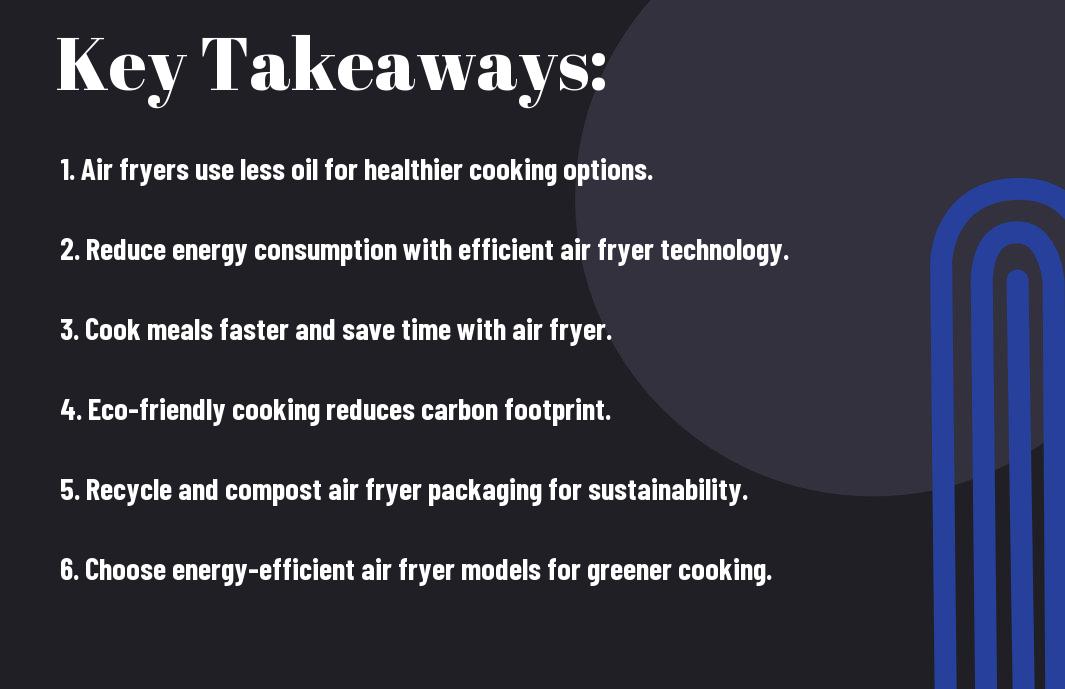
- Energy Efficient: Air fryers use up to 75% less energy than traditional ovens, making them an eco-friendly cooking appliance choice.
- Reduced Carbon Footprint: By using less energy and producing less heat, air fryers contribute to a lower carbon footprint compared to conventional cooking methods.
- Minimal Waste: Air fryers require minimal to no oil for cooking, reducing waste from used cooking oil and promoting healthier, eco-friendly cooking practices.
The Environmental Impact of Cooking Methods
One of the ways we can reduce our environmental impact in the kitchen is by making conscious choices about our cooking methods. By opting for eco-friendly appliances like an air fryer, we can significantly decrease our carbon footprint. For more information on eco-friendly cooking, check out Vegan Cooking with an Air Fryer – A Case For Plant Based.
Traditional Cooking vs. Air Frying
Cooking with traditional methods such as stovetops and ovens can consume more energy and contribute to greenhouse gas emissions. Air fryers, on the other hand, use rapid air technology that requires less energy to cook food efficiently. This can lead to lower carbon emissions and a greener cooking process overall.
The Carbon Footprint of Kitchen Appliances
Any kitchen appliance that consumes energy, like stoves, ovens, and microwaves, contributes to the carbon footprint of our cooking. However, some appliances are more energy-efficient than others. Understanding the energy consumption and efficiency of different kitchen appliances can help us make greener choices and reduce our overall environmental impact.
Air Fryers and Energy Efficiency
How Air Fryers Save Energy
The design of air fryers allows them to cook food quickly and efficiently by circulating hot air around the food. This method significantly reduces cooking times and energy consumption compared to traditional ovens. Air fryers also have adjustable temperature settings, so you can cook food at lower temperatures than conventional ovens, further saving energy.
Comparison with Conventional Ovens and Deep Fryers
Fryers
| Air Fryers | Conventional Ovens |
| Uses rapid hot air circulation | Heats up entire oven |
| Cook food faster | Take longer to preheat and cook |
| Adjustable temperature settings | Less control over cooking temperature |
When comparing air fryers to conventional ovens and deep fryers, air fryers come out on top in terms of energy efficiency. Air fryers use rapid hot air circulation to cook food faster and more efficiently than traditional ovens. This not only saves energy but also reduces overall cooking times.
Deep Fryers
Deep Fryers
| Uses large amounts of oil for frying | Minimal oil required for air frying |
| Higher energy consumption due to heating oil | Lower energy consumption as air fryers use hot air |
| Longer cooking times due to heating oil | Shorter cooking times with air fryers |
Maximizing the Eco-Friendly Benefits
Choosing the Right Air Fryer
EcoFriendly cooking starts with selecting an air fryer that is energy-efficient and made from sustainable materials. Look for models with high Energy Star ratings and avoid ones with non-stick coatings that can release harmful chemicals into the environment during production and use. Opting for a durable and well-made air fryer will not only reduce your carbon footprint but also guarantee long-term usage without the need for frequent replacements.
Tips for Energy-Conscious Cooking
Choosing energy-efficient cooking methods is key to reducing your environmental impact. When using an air fryer, consider these tips for energy-conscious cooking: preheat the appliance for only a few minutes instead of extended periods, batch cooking multiple items at once to maximize energy usage, and avoid opening the fryer frequently to maintain temperature consistency. The result will be not only delicious meals but also a reduced electricity bill and lowered energy consumption.
Health Benefits and Cooking Quality
Nutritional Advantages of Air Frying
Benefits: Air frying offers several nutritional advantages compared to traditional frying methods. By using significantly less oil, air fryers help reduce the intake of unhealthy fats, which can contribute to heart disease and weight gain. Additionally, air frying retains more nutrients in the food compared to deep frying, making it a healthier cooking option overall.
Maintaining Flavor and Texture
Health: One of the key advantages of air frying is its ability to maintain the flavor and texture of the food. Unlike deep frying, which can leave food greasy and heavy, air frying produces crispy and golden results without the excess oil. This method seals in the natural juices of the ingredients, ensuring a moist and flavorful outcome, all while reducing the overall fat content.
Quality: Air frying also allows for even cooking and browning, creating a delicious crispy exterior while keeping the interior tender. This technology ensures that your food is cooked thoroughly and evenly, resulting in a satisfying and tasty meal every time.
Summing up
Presently, it is evident that transitioning to eco-friendly cooking practices with an air fryer is a greener choice for both individuals and the environment. With significant reductions in energy consumption, lower carbon emissions, and overall healthier cooking options, the benefits of using an air fryer are compelling. By making this simple switch in our kitchens, we can contribute to a more sustainable future while continuing to enjoy delicious and guilt-free meals. The evidence is clear – an air fryer is not only a convenient kitchen appliance but also a smart and environmentally friendly choice for eco-conscious consumers.
FAQ
Q: What is an air fryer?
A: An air fryer is a kitchen appliance that cooks food by circulating hot air around it, mimicking the results of deep-frying without the excessive use of oil.
Q: How does cooking with an air fryer contribute to eco-friendliness?
A: Cooking with an air fryer is eco-friendly because it reduces the amount of oil used in cooking, minimizes energy consumption compared to traditional ovens, and produces less cooking waste.
Q: What are the benefits of eco-friendly cooking with an air fryer?
A: Some benefits of eco-friendly cooking with an air fryer include healthier meals due to lower oil content, reduced carbon footprint from energy-efficient cooking, and less kitchen mess from oil splatters.
Q: Can all types of food be cooked in an air fryer?
A: While most foods can be cooked in an air fryer, it may not be suitable for recipes that require a lot of liquid or moisture for cooking, such as soups or stews.
Q: How can I maximize the eco-friendliness of cooking with an air fryer?
A: To maximize eco-friendliness when cooking with an air fryer, use eco-friendly cooking accessories, choose locally sourced ingredients, and clean your air fryer regularly to maintain its efficiency.